California Medical Advocacy Group / Journal
Revolutionizing Healthcare Access with Portable Medical Buildings
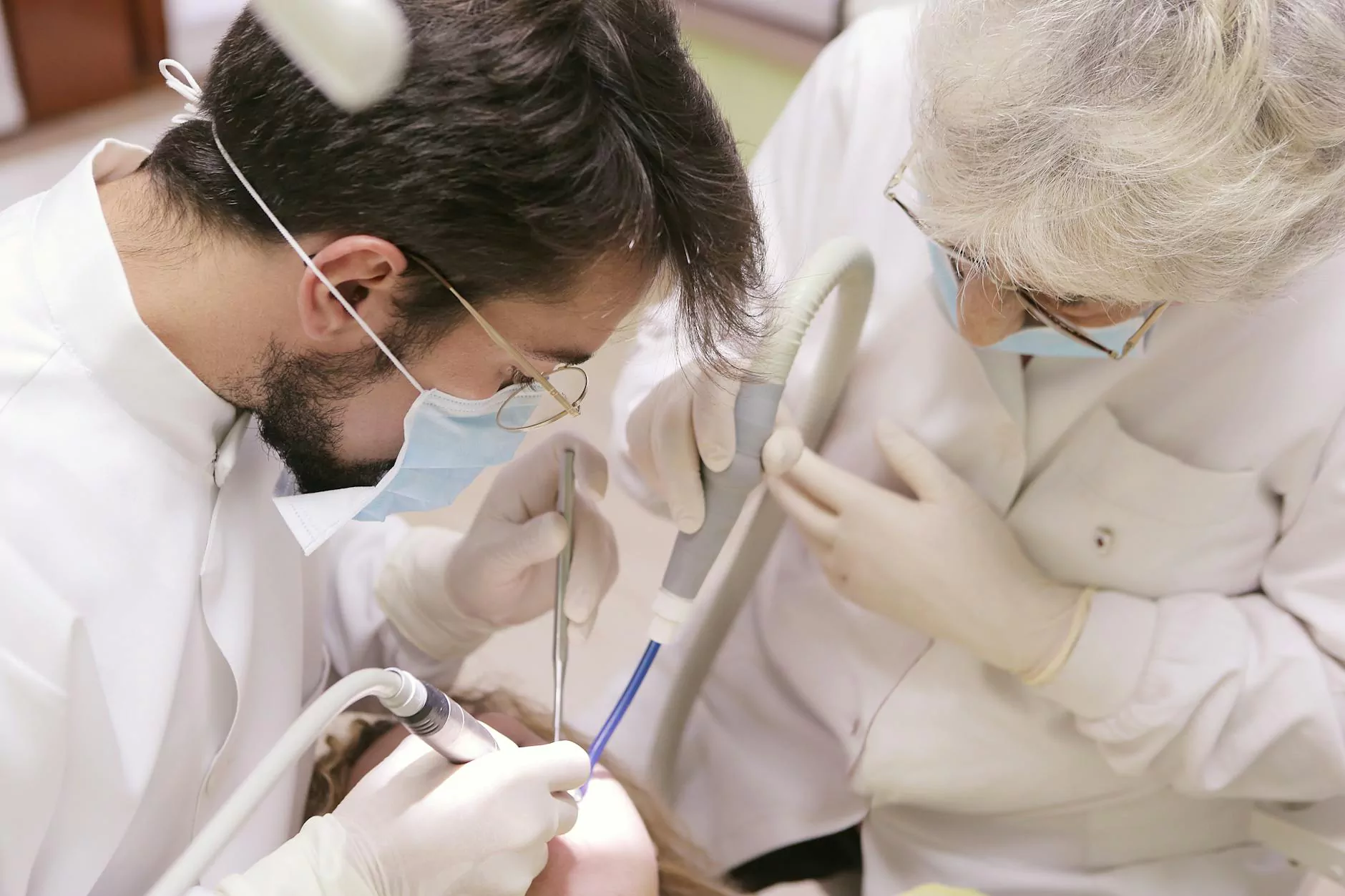
In the rapidly evolving landscape of healthcare, immediate and flexible access to medical facilities is paramount. Portable medical buildings stand at the forefront of this transformation, providing innovative solutions that bridge gaps in healthcare delivery, especially in underserved areas, emergency situations, or during expansion phases of medical services. These structures are reshaping the way medical centers, doctors, and healthcare providers approach facility setup, making healthcare more accessible, efficient, and adaptable.
Understanding the Concept of Portable Medical Buildings
Portable medical buildings are specialized structures designed to be easily transported, quickly assembled, and adaptable to various healthcare needs. Unlike traditional brick-and-mortar facilities, these buildings are prefabricated, modular units constructed with durable, high-quality materials to withstand diverse environmental conditions. Their portability allows health organizations to respond swiftly to community needs, emergencies, or developmental opportunities without the lengthy process of traditional construction.
These structures can be customized to serve multiple purposes, including doctor clinics, diagnostic centers, vaccination sites, pharmacy outlets, or even small-scale medical centers. Their flexibility ensures compliance with healthcare standards while delivering tailored solutions that can evolve with the demands of the community or organization.
The Growing Importance of Portable Medical Buildings in Modern Healthcare
As healthcare demands increase due to population growth, urbanization, and unforeseen crises like pandemics, the role of portable medical buildings becomes increasingly vital. Their capacity to facilitate rapid deployment makes them indispensable tools for addressing immediate healthcare gaps, delivering emergency medical services, or establishing temporary clinics in disaster-stricken regions.
Moreover, these structures significantly reduce setup times and costs associated with traditional construction, thereby enabling healthcare providers to expand their capacity efficiently. They also support telemedicine, outpatient services, and specialized clinics, enhancing the scope of healthcare delivery beyond conventional facilities.
Advantages of Portable Medical Buildings for Healthcare Providers
- Rapid Deployment: Set up and operationalize within days, enabling swift response to urgent health needs.
- Cost-Effective: Lower initial investment compared to constructing permanent buildings, with reduced operational costs.
- Flexibility & Scalability: Easily reconfigured or relocated according to evolving medical demands.
- Customized Design: Equipped with state-of-the-art medical equipment and compliant with healthcare standards.
- Enhanced Accessibility: Bring healthcare services directly to underserved or remote communities.
- Sustainable & Environmentally Friendly: Constructed with eco-friendly materials and designed for energy efficiency.
Transforming Medical Centers and Clinics with Portable Solutions
For established medical centers and clinics, integrating portable medical buildings offers several strategic advantages. These structures can be utilized to extend service lines, such as opening new doctor clinics or specialized departments without the need for permanent expansion. The flexibility to relocate or enlarge these facilities means that healthcare organizations can respond dynamically to patient volume and community health trends.
Additionally, portable medical buildings empower healthcare providers to create pop-up clinics in areas with sudden spikes in healthcare demand—such as during flu seasons, vaccination drives, or after natural disasters—thus maintaining uninterrupted patient care.
Innovative Features and Design of Portable Medical Buildings
Today's portable medical buildings incorporate cutting-edge design features to meet strict healthcare standards, ensuring both safety and comfort for patients and staff:
- Advanced Insulation & Climate Control: To ensure a controlled environment regardless of external weather conditions.
- Telemedicine-Ready Infrastructure: Equipped with high-speed internet, cameras, and diagnostic devices for remote consultations.
- Modular Lab & Diagnostic Areas: Designed for quick installation of diagnostic equipment like ultrasound, X-ray, or blood testing stations.
- Accessibility Features: Ramps, elevators, and wide doorways to accommodate patients with disabilities.
- Energy Efficiency: Solar panels, LED lighting, and energy-saving HVAC systems reduce operational costs.
- Safety & Infection Control: Anti-microbial surfaces, proper ventilation systems, and sterilization areas to prevent cross-contamination.
Broader Applications of Portable Medical Buildings in Healthcare
Portable Medical Buildings are versatile assets that can be adapted for a wide array of healthcare applications:
- Emergency Response: Temporary hospitals and triage centers in disaster zones or war-torn regions.
- Vaccination & Testing Centers: During pandemics or large-scale health campaigns.
- Mobile Health Units: Reaching isolated rural communities to provide basic health services.
- Specialized Clinics: Such as dental clinics, mental health counseling centers, or dermatology clinics that require temporary or mobile setups.
- Research Facilities: Field research stations or temporary laboratories in challenging environments.
Integrating Technology and Future Trends in Portable Medical Buildings
The future of portable medical buildings is deeply intertwined with advancements in technology. Smart systems, IoT-enabled devices, and AI-driven diagnostics are increasingly being incorporated into these structures to enhance diagnostic precision, operational efficiency, and patient experience.
Furthermore, with innovations in *green building materials* and renewable energy sources, portable structures are becoming increasingly sustainable. Integration of solar panels, energy-efficient lighting, and rainwater harvesting systems can make these facilities zero-carbon and self-sufficient, aligning with global sustainability goals.
How to Choose the Right Portable Medical Building Provider
Selecting the ideal provider ensures the success and longevity of your portable medical structures. Key considerations include:
- Experience and Reputation: Proven track record in designing and deploying portable healthcare solutions.
- Customization Options: Ability to tailor buildings to specific medical needs and standards.
- Compliance & Certifications: Adherence to local and international healthcare building codes and safety standards.
- Quality of Materials & Construction: Use of durable, high-quality, eco-friendly materials.
- After-Sales Support & Maintenance: Reliable support services for ongoing facility management.
Case Studies: Successful Deployment of Portable Medical Buildings
Numerous healthcare providers worldwide have successfully implemented portable medical buildings to address pressing community needs. For example:
- Disaster Relief in Rural Areas: Mobile clinics rapidly deployed after earthquakes to provide essential health services.
- Pandemic Response: Drive-through testing and vaccination stations set up within days to control disease spread.
- Remote Area Healthcare: Fully equipped clinics in remote villages, significantly reducing travel time for residents.
Conclusion: Embracing the Future of Healthcare Infrastructure
The future of healthcare depends heavily on adaptable, resilient, and innovative infrastructure solutions. Portable medical buildings exemplify this trend by offering rapid deployment, flexibility, and cost-efficiency. Their integration into healthcare systems promises to improve access, response times, and patient outcomes across diverse settings. As technology advances and sustainability becomes a priority, these structures are poised to become standard components of modern healthcare delivery worldwide.
For healthcare organizations seeking to expand or enhance their services, investing in portable medical buildings presents an unparalleled opportunity to deliver timely, high-quality care, no matter where it’s needed.
Expert Consultation and Custom Solutions
To explore how portable medical buildings can transform your healthcare services, consult with industry leaders experienced in designing medical centers, clinics, and health infrastructure. With bespoke options tailored to your specific needs, you can ensure your facility supports the highest standards of patient care, staff efficiency, and operational excellence.