California Medical Advocacy Group / Journal
Comprehensive Guide to CT Scan for Lung Cancer and Its Role in Modern Healthcare
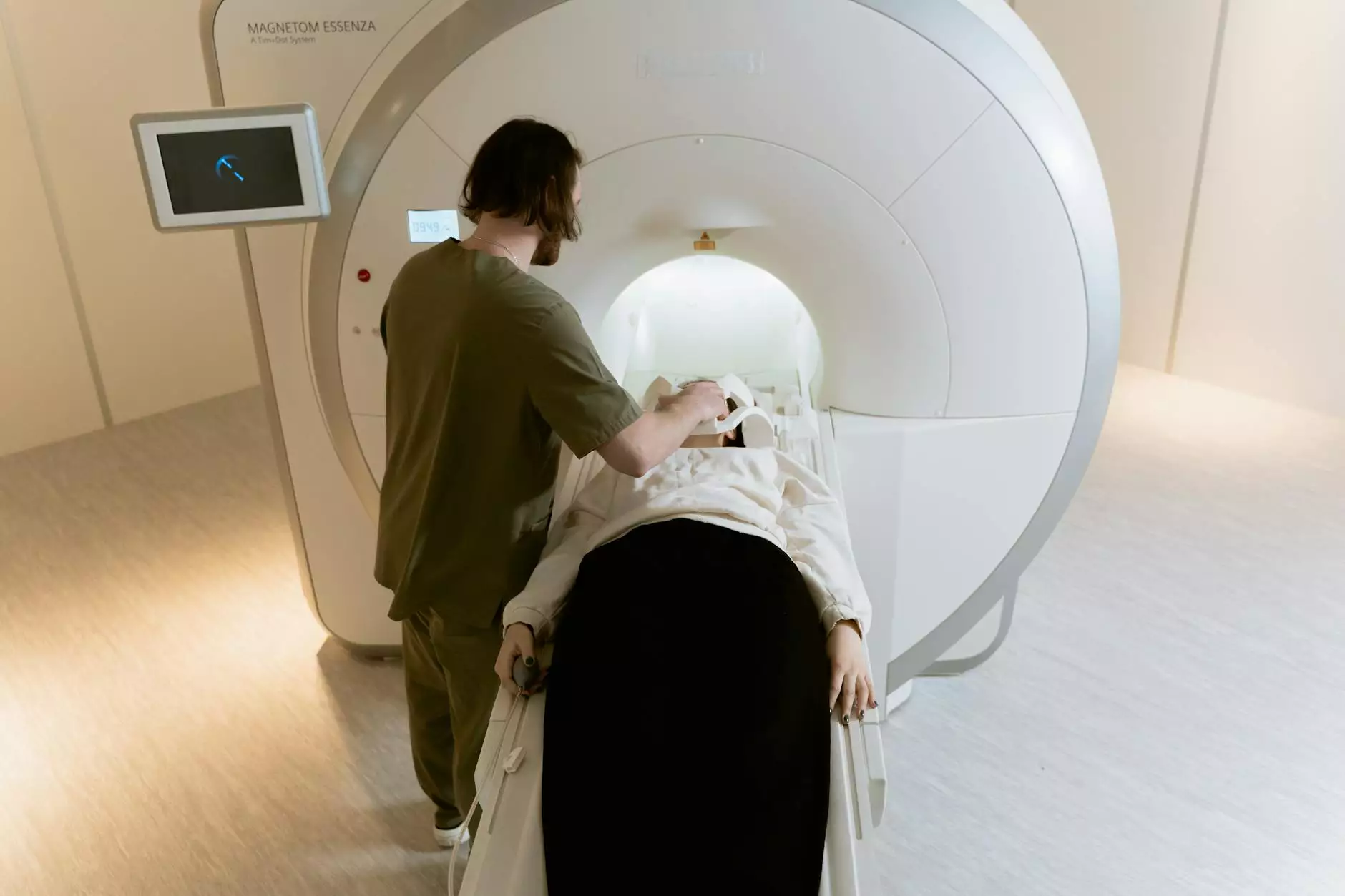
In the rapidly evolving field of healthcare and medical diagnostics, technological advancements are transforming how clinicians detect and manage life-threatening diseases such as lung cancer. Among these innovations, the CT scan for lung cancer stands out as a cornerstone in early diagnosis, guiding treatment plans, and improving patient outcomes. This comprehensive article aims to shed light on the significance of CT imaging in lung cancer management, exploring how it works, its importance, and why timely screening should be an integral part of lung health maintenance.
Understanding Lung Cancer: A Global Health Challenge
Lung cancer remains one of the leading causes of cancer-related deaths worldwide. Its insidious nature often results in late-stage diagnoses, which significantly diminishes the chances of successful treatment. Worldwide statistics indicate that, despite advances in chemotherapy, radiotherapy, and targeted treatments, the prognosis for advanced lung cancer remains grim, emphasizing the hyper-importance of early detection.
The primary risk factors include smoking, exposure to carcinogens such as asbestos and radon, and genetic predispositions. Given these risk elements, effective screening protocols can make a critical difference in catching the disease early, significantly improving survival rates.
The Role of Imaging in Lung Cancer Detection
Imaging technologies have revolutionized the diagnosis and staging of lung cancer. Among various modalities, a CT scan for lung cancer has become the gold standard in detection and assessment, owing to its unparalleled ability to provide detailed cross-sectional images of the lungs and chest structures.
What Is a CT Scan?
A Computed Tomography (CT) scan employs advanced X-ray technology combined with computer processing to generate high-resolution images of internal body structures. Unlike traditional X-rays, which produce flat images, CT scans create detailed 3D representations, allowing physicians to visualize fine details of lung tissues and detect abnormalities that might be missed with less detailed imaging.
How Does a CT Scan for Lung Cancer Work?
During a ct scan for lung cancer, the patient lies on a motorized table that slides into a doughnut-shaped machine called a gantry. As the gantry rotates around the body, it captures multiple X-ray images from different angles. These images are then processed by a computer to produce detailed cross-sectional views, which can be examined individually or reconstructed into 3D images.
Often, contrast dye may be administered intravenously to enhance image clarity, allowing better differentiation of tissues and highlighting abnormal growths or lesions. This meticulous process aims to identify tumors, nodules, or other lung structures indicative of malignancy with exceptional precision.
The Importance of a CT Scan for Lung Cancer in Early Detection
Early detection is the key to increasing survival rates in lung cancer patients. Since lung tumors frequently develop silently and are asymptomatic in the early stages, imaging becomes vital in identifying these abnormalities before they manifest clinical symptoms.
The ct scan for lung cancer can detect small nodules as tiny as a few millimeters, which are often invisible on standard chest X-rays. This sensitivity makes it an indispensable tool in screening programs, especially for high-risk populations such as long-term smokers, individuals with a family history of lung cancer, or those exposed to occupational hazards.
Screening Recommendations for Lung Cancer
- The U.S. Preventive Services Task Force (USPSTF) recommends annual low-dose CT screening for adults aged 50 to 80 years who have a 20 pack-year smoking history and currently smoke or have quit within the past 15 years.
- Regular screening should be continued as long as the individual remains at high risk and has a good overall health status capable of undergoing definitive treatment.
- Culturally appropriate education about the benefits and risks of lung cancer screening is essential to maximize participation and early detection.
Early detection through routine screening can lead to diagnosis at a stage when the cancer is more treatable, dramatically influencing prognosis and quality of life.
Benefits of a CT Scan for Lung Cancer
The advantages of utilizing a ct scan for lung cancer extend beyond merely visualizing tumors. These benefits include:
- High Sensitivity: Detects even minute nodules or irregularities that may be indicative of early malignancies.
- Accurate Staging: Helps determine the size, location, and extent of the tumor, essential for planning effective treatment strategies.
- Guidance for Biopsy: Precise localization assists in guiding minimally invasive biopsy procedures for tissue diagnosis.
- Monitoring Disease Progression: Facilitates ongoing assessment of tumor response during treatment and surveillance post-therapy.
- Reducing Unnecessary Procedures: Minimize invasive interventions by confidently ruling out malignancy when scans show benign conditions.
Advanced Technologies Enhancing CT Scan for Lung Cancer
As technology advances, CT imaging incorporates innovations that enhance diagnostic accuracy and patient comfort. These include:
- Low-dose CT protocols: Reduce radiation exposure without compromising image resolution, making routine screening safer.
- 4D CT imaging: Adds a temporal dimension, capturing how tumors move during breathing, aiding in precise targeting during interventions.
- Artificial Intelligence (AI): Integrates machine learning algorithms to detect subtle abnormalities, improve interpretation speed, and reduce diagnostic errors.
- High-Resolution CT (HRCT): Provides ultra-fine detail for better characterization of pulmonary nodules.
Challenges and Considerations in CT Scan for Lung Cancer
Despite its numerous benefits, there are considerations to be mindful of:
- Radiation Exposure: While low-dose protocols mitigate risks, repeated scans warrant cautious application, especially in vulnerable populations.
- False Positives: Small benign nodules can sometimes mimic malignancy, leading to unnecessary anxiety or invasive procedures.
- Cost and Accessibility: Ensuring equitable access to advanced imaging remains a challenge in some regions, emphasizing the need for healthcare policies supporting screening programs.
Why Choose Professional Healthcare Facilities for a CT Scan for Lung Cancer
When considering a ct scan for lung cancer, it is paramount to seek services from reputable, high-quality healthcare providers like hellophysio.sg. Such facilities ensure:
- State-of-the-art imaging equipment for high accuracy.
- Experienced radiologists and clinicians trained in thoracic imaging and lung disease management.
- Comprehensive patient care including pre-scan assessment, post-scan counseling, and follow-up strategies.
- Supportive environment focused on patient comfort and safety.
The Future of Lung Cancer Detection: Integrating CT Scans with Emerging Technologies
Future advancements in imaging and diagnostics aim to further enhance the efficacy of the ct scan for lung cancer. The integration of liquid biopsies, molecular imaging, and real-time AI analytics promises more personalized and minimally invasive approaches. Additionally, research is ongoing to develop even lower radiation doses, portable scanners, and improved contrast agents to improve detection accuracy.
Summary: The Critical Role of CT Imaging in Lung Cancer Management
In conclusion, the ct scan for lung cancer is not merely a diagnostic tool but a vital component of a comprehensive approach to lung health. It facilitates early detection, accurate staging, and monitoring that are crucial for effective treatment and improved survival. With technological innovations, increasing awareness, and accessible screening programs, it is possible to reduce mortality rates associated with lung cancer significantly.
If you or someone you care about falls within the high-risk categories, consulting healthcare providers to explore the benefits of routine CT screening can be a life-saving decision. It empowers proactive management of lung health and can be the difference between early intervention and late-stage disease.
Contact hellophysio.sg for Expert Diagnostic and Therapeutic Services
As a leader in Health & Medical, Sports Medicine, and Physical Therapy, hellophysio.sg is committed to providing top-tier imaging services, including ct scan for lung cancer, accompanied by expert consultation and personalized treatment plans. Ensuring quality, safety, and patient-centered care remains our top priority. Schedule your consultation today and take a proactive step towards safeguarding your lung health.