California Medical Advocacy Group / Journal
The Rise of the Genuine Leather Company: Why Authenticity Matters in Today’s Market
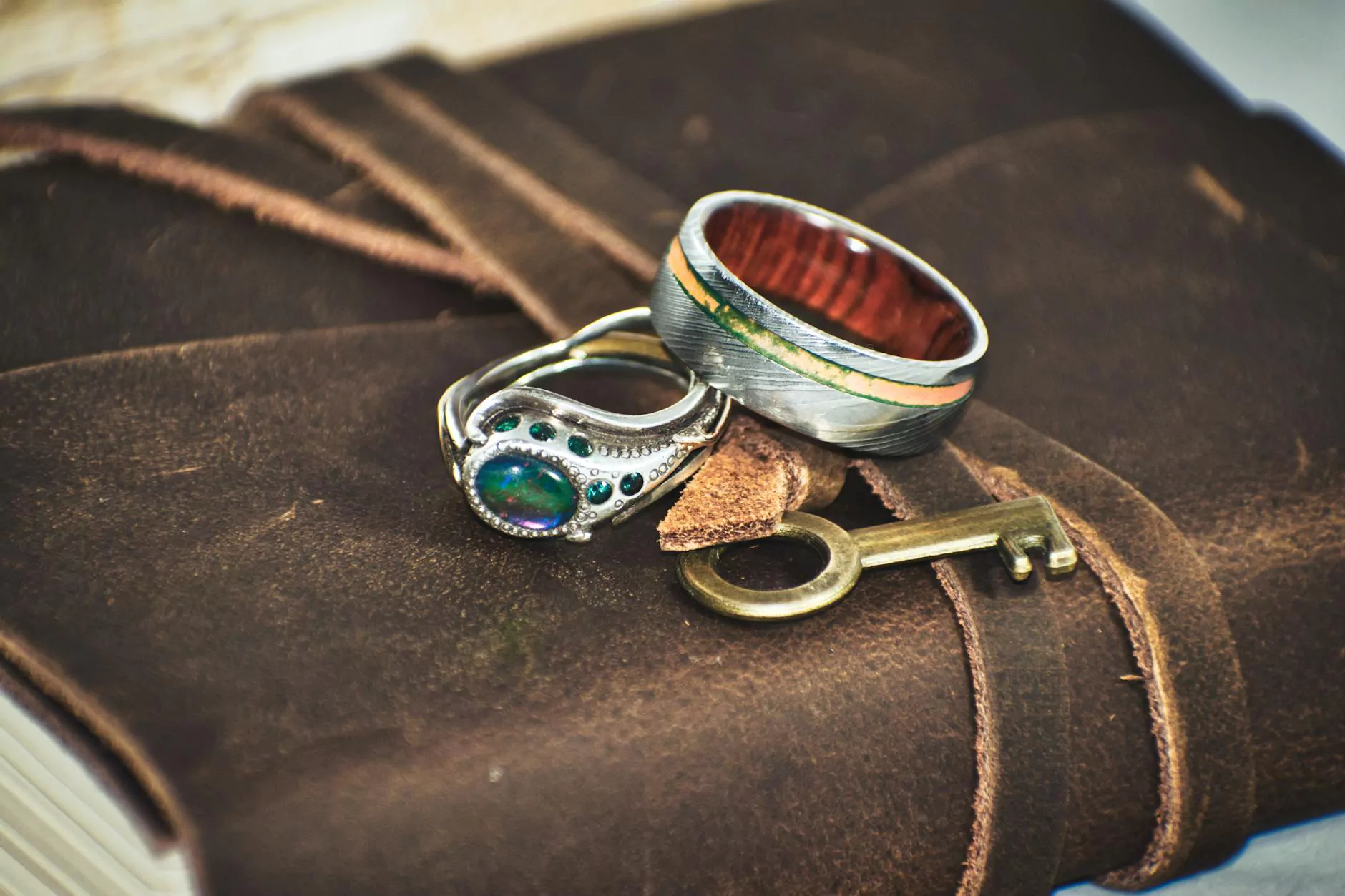
In an age where fast fashion and disposable goods dominate the landscape, the importance of *quality* over quantity has become increasingly apparent. This is especially true in the leather industry, where the demand for *genuine leather* has seen a resurgence. More consumers are turning to brands that prioritize *authenticity*, leading to the rise of the genuine leather company. This article delves into the significance of genuine leather, the benefits offered by these companies, and why you should consider investing in genuine leather products.
The Significance of Genuine Leather
Leather has been a symbol of luxury, durability, and craftsmanship for centuries. Unlike synthetic alternatives, *genuine leather* is made from real animal hides, offering a unique texture and longevity that cannot be replicated. The characteristics that define genuine leather include:
- Natural Beauty: Each piece of leather is distinct, showcasing natural variations in texture and color.
- Durability: High-quality leather can last for decades with proper care, often becoming more beautiful with age.
- Sustainability: When sourced responsibly, leather can be a sustainable material, particularly when produced by companies committed to ethical practices.
The Role of a Genuine Leather Company
A genuine leather company plays a pivotal role in providing consumers with authentic products that stand the test of time. Such companies typically offer a range of hides and skins that are sourced ethically, ensuring that their product lines are not only high-quality but also responsibly produced. Here are some key functions they serve:
1. Sourcing High-Quality Hides
Genuine leather companies often have established relationships with trusted suppliers and tanneries around the world. They ensure that the hides are sourced from reputable farms, focusing on ethical practices. This emphasis on quality allows these companies to produce leather goods that are superior in craftsmanship.
2. Ethical Practices and Sustainability
Today’s consumers are more environmentally conscious than ever. A genuine leather company recognizes this shift and often incorporates sustainable practices in their production processes. From sourcing to tanning, they strive to minimize their carbon footprint and promote responsible consumption.
3. Craftsmanship and Design
One of the standout qualities of a genuine leather company is its dedication to craftsmanship. Artisans who work with leather possess a unique skill set that allows them to create products that are not only functional but also aesthetically pleasing. Detailed stitching, thoughtful design, and personalized finishes are hallmarks of quality leather goods.
Benefits of Choosing Genuine Leather Products
Investing in products from a genuine leather company comes with a myriad of benefits, including:
1. Longevity
Genuine leather is much more resistant to wear and tear when compared to synthetic alternatives. Durability is one of the most significant advantages, making leather a wiser investment over time.
2. Timeless Style
Leather has a classic aesthetic that never goes out of style. Whether it’s a leather jacket, bag, or pair of shoes, these items often retain their elegance and fashion appeal through changing trends. A product from a genuine leather company can indeed become a staple in your wardrobe.
3. Comfort
As leather ages, it conforms to the wearer's shape and provides a comfortable fit that synthetic materials typically cannot match. Leather breathes, adapting to temperature changes and providing comfort in various conditions.
4. Value Retention
Genuine leather products often maintain their value better than their synthetic counterparts. Because of their durability and timeless nature, well-maintained leather goods can even appreciate in value over time, making them suitable for both personal use and investment.
How to Identify a Genuine Leather Company
With the rise of counterfeit products and misleading labels, it can be difficult for consumers to identify which brands are authentic. Here are some tips for finding a genuine leather company:
1. Look for Transparency
Reputable companies are usually transparent about their sourcing and production processes. They will provide information about where their leather comes from and the methods used in tanning. A lack of transparency often indicates a subpar product.
2. Check for Certifications
Look for brands that carry relevant certifications indicating quality and ethical sourcing. These certifications can give you peace of mind that you are purchasing from a genuine leather company committed to high standards.
3. Read Customer Reviews
Customer feedback can be a goldmine of information. Look for reviews that speak to the quality and longevity of the products, as well as the company's customer service. A history of satisfied customers is a strong indicator of an authentic brand.
4. Assess the Pricing
While pricing isn’t always a definitive indicator of quality, extremely low prices can be a red flag. Genuine leather is a premium product, and while you can find great deals, an unusually low price often suggests poor quality or misleading labeling.
Conclusion: Embrace Authenticity with a Genuine Leather Company
As consumers, we have the power to choose products that reflect our values. Opting for a genuine leather company not only supports ethical and sustainable practices but also allows you to enjoy high-quality products tailored for longevity and style. The investment you make in genuine leather is one that pays dividends in durability, comfort, and timeless appeal.
As the landscape shifts toward authenticity and sustainability, the future of the leather industry looks bright. By choosing genuine leather, you advocate for *craftsmanship* and *quality*, supporting businesses that prioritize these values. Let us celebrate the craftsmanship behind each genuine leather product, recognizing that these items are not merely goods, but treasured components of our lifestyles that endure through the test of time.