California Medical Advocacy Group / Journal
The Versatile Accessory Carabiner: Your Ultimate Outdoor Tool
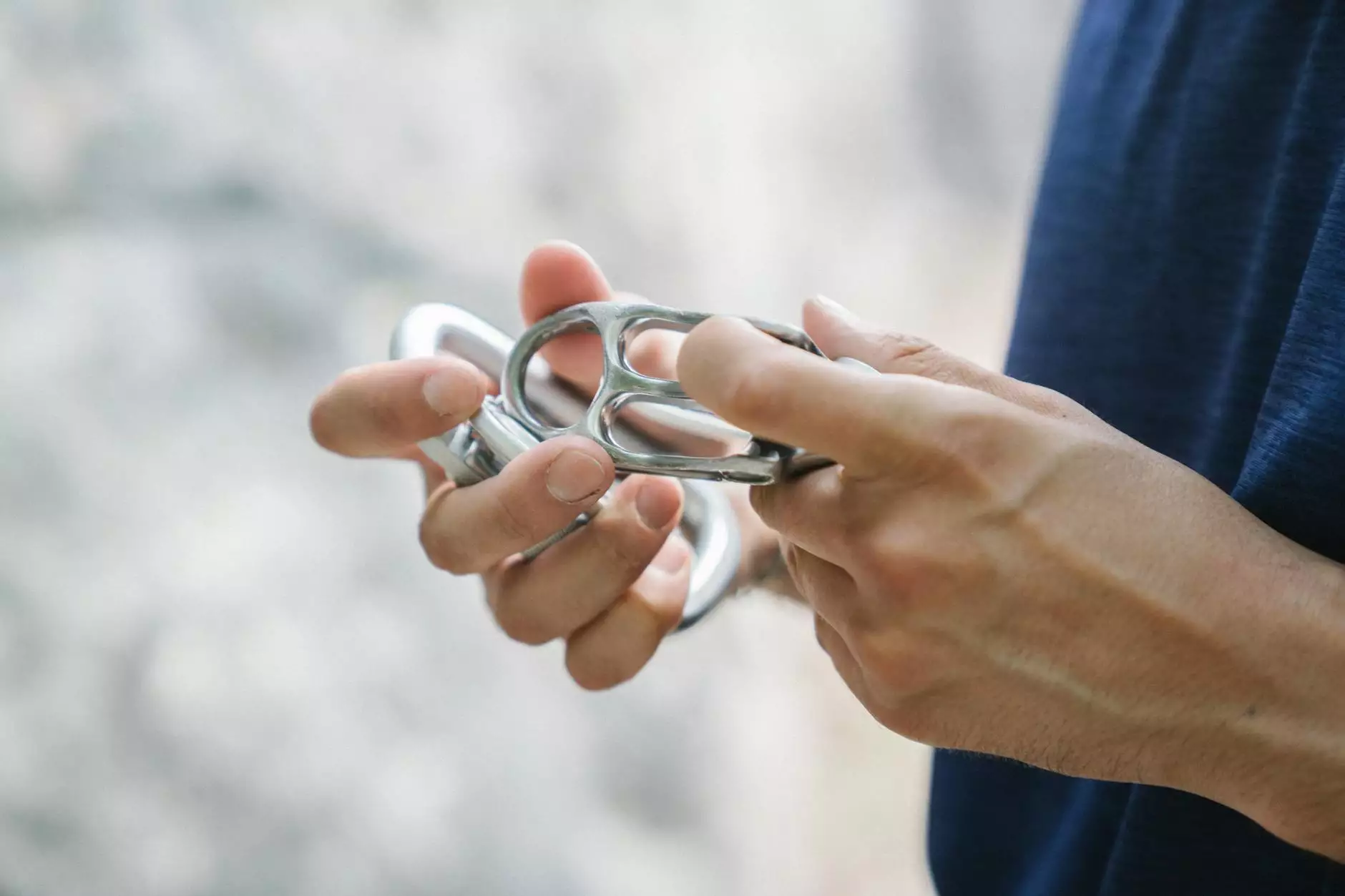
When it comes to outdoor gear, few items offer the same level of versatility as the accessory carabiner. Whether you’re a seasoned adventurer, a casual hiker, or simply someone who enjoys spending time outdoors, this unassuming tool can make a significant impact on your experience. In this comprehensive guide, we’ll explore the many facets of accessory carabiners, including their uses, types, benefits, and how to choose the right one for your needs.
What is an Accessory Carabiner?
An accessory carabiner is a quick-release hook that is widely used in various outdoor activities, such as climbing, hiking, camping, and more. These functional tools come in different shapes, sizes, and strengths, making them ideal for a wide range of applications. They typically feature a spring-loaded gate that allows for easy attachment and detachment to harnesses, gear loops, or other items.
The History of Carabiners
The design of carabiners originated in the early 20th century with the advent of climbing. Initially, carabiners were made from steel and primarily used by climbers to secure themselves and their gear during mountain ascents. Over the years, the design evolved to incorporate lighter materials such as aluminum, leading to the modern accessory carabiner we know today.
Types of Accessory Carabiners
Accessory carabiners can be classified into several categories based on their design and functionality. Here’s a rundown of the most common types:
- Screw Lock Carabiners: These feature a locking mechanism that requires the user to twist the gate to secure it. Ideal for safety-conscious activities.
- Auto-Lock Carabiners: These automatically lock when closed and open only when a specific action is taken. They enhance safety and convenience.
- Non-Locking Carabiners: Simple and lightweight, these are ideal for situations where security isn’t a primary concern.
- Wire Gate Carabiners: These provide a lighter alternative to traditional carabiners, offering excellent performance while reducing weight.
- Accessory Carabiners: Specifically designed for attaching non-climbing gear, such as camping accessories, water bottles, and more.
Benefits of Using Accessory Carabiners
The advantages of incorporating accessory carabiners into your outdoor arsenal are tremendous. Here are a few prominent benefits:
1. Versatility
Accessory carabiners can be used in numerous situations, from organizing gear to securing items during outdoor activities. They can attach to backpacks, tents, or even be used as keychains.
2. Lightweight and Compact
Modern accessory carabiners are crafted from lightweight materials, making them easy to carry without adding unnecessary weight to your load.
3. Enhanced Organization
These tools allow for better organization of gear, preventing clutter and making it easier to access your items quickly when you need them.
4. Durable and Reliable
Made from high-quality materials, accessory carabiners are built to withstand the rigors of outdoor activities, providing you with a dependable tool for your adventures.
Choosing the Right Accessory Carabiner
With so many options available, selecting the right accessory carabiner can be a daunting task. Here are some key factors to consider:
1. Purpose
Understand what you will primarily use the carabiner for. If you need it for climbing, opt for a locking carabiner. For general use, a non-locking or wire gate carabiner may suffice.
2. Strength Rating
Each carabiner has a strength rating, usually measured in kilonewtons (kN). Ensure the carabiner you choose meets the requirements of your intended use.
3. Size and Weight
Consider the size and weight of the carabiner, especially if you plan on carrying it over long distances. Smaller carabiners can be more convenient, but ensure they can still handle your gear.
4. Material
Aluminum carabiners are lighter and resistant to rust, while steel carabiners provide higher strength. Choose according to your needs.
Common Uses of Accessory Carabiners
The uses of accessory carabiners span a wide range of applications. Here are some examples:
- Climbing: Essential for rock climbing and mountaineering as safety tools.
- Camping: Use to hang gear, secure tarps, or attach cooking items.
- Everyday Utility: Clips for keys, water bottles, and other everyday items.
- Outdoor Sports: Ideal for connecting various gear in activities like kayaking or paddleboarding.
- Dog Walking: Create a quick leash attachment or use to secure bags during walks.
Top Tips for Using Accessory Carabiners
To make the most of your accessory carabiner, consider these practical tips:
1. Inspect Regularly
Check for any signs of wear and tear before each use. Damaged carabiners should be replaced immediately.
2. Avoid Overloading
Always adhere to the strength rating. Overloading a carabiner can lead to failure.
3. Use Appropriate Types
Use locking carabiners for climbing and non-locking for quick access scenarios.
4. Keep Them Clean
Regularly clean your carabiners to ensure smooth operation. Dust and dirt can affect their functionality.
Where to Buy Accessory Carabiners
With the growing popularity of outdoor activities, accessory carabiners can be found in various retail outlets and online stores. Websites like samhe.com provide a wide selection of high-quality carabiners tailored for your specific needs. When purchasing online, check for product reviews to ensure the reliability of the product.
Conclusion
The accessory carabiner is a must-have tool for anyone who enjoys the outdoors. Its versatility, durability, and practicality make it an essential component of any adventure gear. By choosing the right carabiner and utilizing it effectively, you can enhance not only your outdoor experience but also your everyday organization. Embrace the convenience of accessory carabiners, and they will undoubtedly become indispensable in your gear collection.