California Medical Advocacy Group / Journal
3D Printed Wings: Revolutionizing Aerospace Innovation
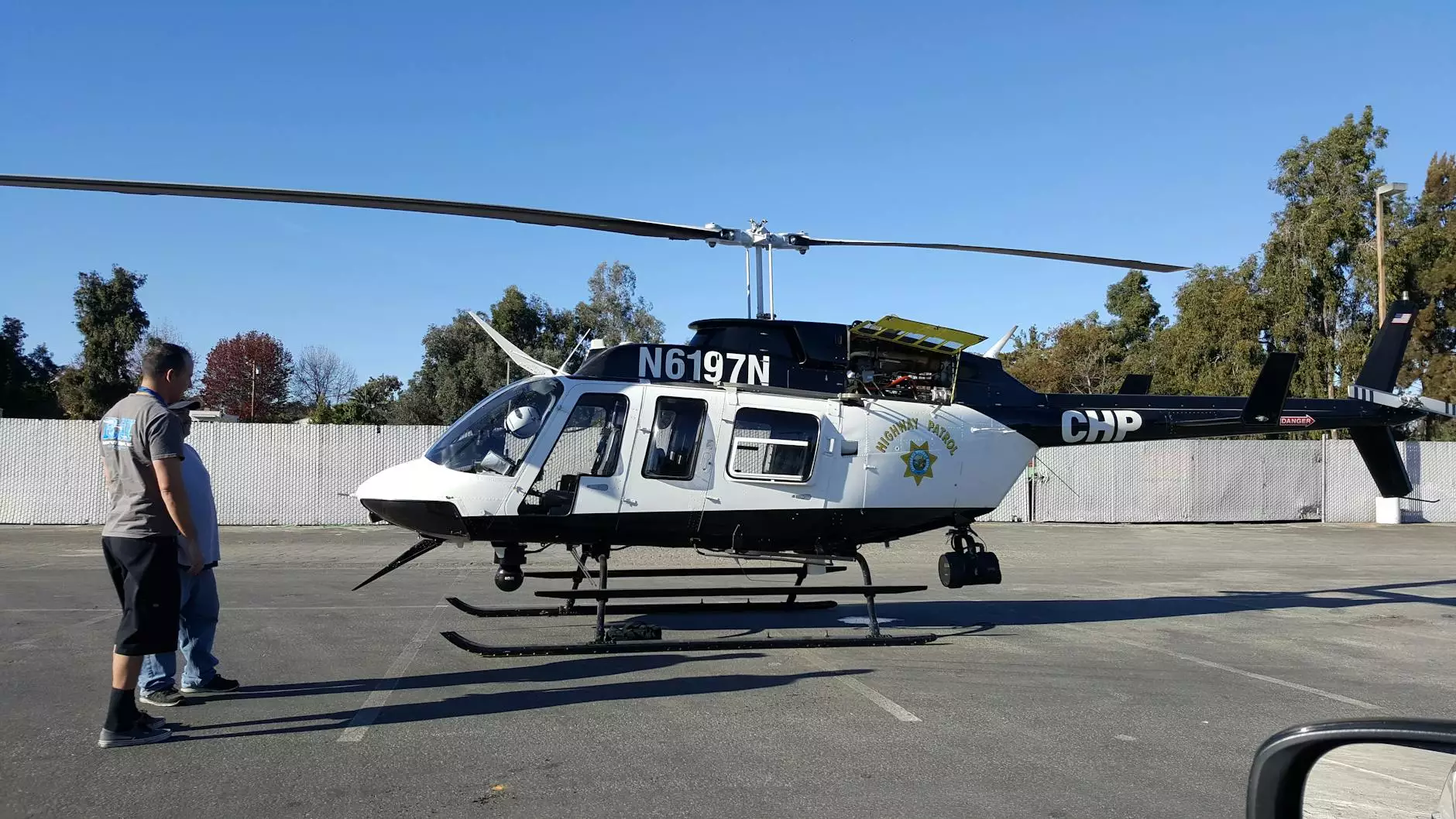
In the rapidly evolving landscape of 3D printing, one of the most exciting advancements is the development of 3D printed wings. This innovative technology is reshaping the aerospace industry, offering unprecedented opportunities to enhance performance, reduce costs, and improve sustainability.
Understanding 3D Printing in Aerospace
3D printing, or additive manufacturing, involves creating three-dimensional objects layer by layer from a digital model. This method enables highly complex designs that are often unachievable through traditional manufacturing techniques. In aerospace, the demand for lightweight components, durability, and aerodynamic efficiency is paramount, making 3D printing an ideal solution for manufacturing aircraft wings.
The Advantages of 3D Printed Wings
The introduction of 3D printed wings brings with it a plethora of benefits:
- Weight Reduction: Traditional wing designs can be weighty, impacting fuel efficiency and overall performance. 3D printing allows for the creation of lightweight structures that maintain strength and integrity.
- Complex Geometries: The design freedom afforded by 3D printing enables engineers to create intricate shapes that enhance aerodynamics and performance without the constraints of conventional manufacturing.
- Cost Efficiency: Reducing material waste and minimizing assembly costs are significant advantages. 3D printed wings can lead to substantial cost savings for manufacturers.
- Rapid Prototyping: The ability to quickly fabricate prototypes allows for faster innovation cycles, enabling companies to bring new designs to market swiftly.
- Sustainability: With reduced material waste and the potential for using biodegradable materials, 3D printing contributes to a more sustainable aerospace industry.
The Process of 3D Printing Wings
Creating 3D printed wings involves several critical steps: design, material selection, printing, and post-processing.
1. Design Phase
Designing 3D printed wings begins with sophisticated software. Engineers utilize tools like CAD (Computer-Aided Design) to create detailed models that include intricate designs maximizing aerodynamics. The use of algorithms in generative design enables the exploration of numerous design possibilities while optimizing for material use and performance.
2. Material Selection
The choice of materials is crucial in 3D printed wings. Common materials include:
- Composite Materials: Lightweight and durable, composites are often used for their excellent strength-to-weight ratio.
- Metals: Titanium and aluminum alloys are popular in aerospace applications for their high strength and resistance to fatigue.
- Plastic Polymers: Useful for less demanding applications or prototype wings, these materials can be cost-effective and easy to work with.
3. Printing Process
The actual printing process varies based on the chosen technology. Common methods for creating 3D printed wings include:
- Fused Deposition Modeling (FDM): This technique involves melting plastic filament, layer by layer, to create the desired shape.
- Selective Laser Sintering (SLS): In this process, a laser fuses powdered material—often metal or polymer—into a solid structure.
- Stereolithography (SLA): This technique uses a UV light to cure liquid resin into solid form, enabling intricate detailing.
4. Post-Processing
Once printed, 3D printed wings often undergo post-processing steps to enhance their performance. These may include:
- Surface Finishing: Techniques like sanding or coating to improve the aerodynamics and aesthetics.
- Heat Treatment: Strengthening the material to withstand the rigors of flight and environmental factors.
Applications of 3D Printed Wings
The applications of 3D printed wings span various areas within the aerospace sector:
- Commercial Aviation: Airlines can benefit from lightweight wing components designed for fuel efficiency and performance.
- Manned Spacecraft: Custom wings suited for space missions can be fabricated to meet specific mission requirements.
- Drones and UAVs: Unmanned aerial vehicles can utilize 3D printed wings for optimized flight performance and reduced development time.
Future Trends in 3D Printing Wings
The future of 3D printed wings is promising, with several trends anticipated to shape the industry:
- Advanced Materials: The development of new material compositions will enhance performance characteristics and environmental sustainability.
- Integration of AI: Artificial intelligence will play a vital role in optimizing designs and manufacturing processes for improved efficiency and innovation.
- Regulatory Advances: As 3D printing technology matures, regulatory bodies will establish guidelines that facilitate the certification of 3D printed components for aerospace applications.
Conclusion
In conclusion, the arrival of 3D printed wings signifies a paradigm shift in aerospace technology. The benefits of producing lightweight, complex, and sustainable designs are significant in reducing costs and enhancing performance. As the industry continues to evolve, one thing is certain: the future of aerospace innovation is bright, driven by the capabilities of 3D printing. Embracing this technology will undoubtedly lead to greater efficiencies and more advanced flying machines, ensuring that the skies remain a realm of infinite possibilities.
For those looking to explore the possibilities of 3D printed wings, visit 3DPrintWig.com to uncover more about how this technology is reshaping the aerospace industry.