California Medical Advocacy Group / Journal
The Ultimate Guide to Automatic Gearbox Clutches: Insights and Innovations
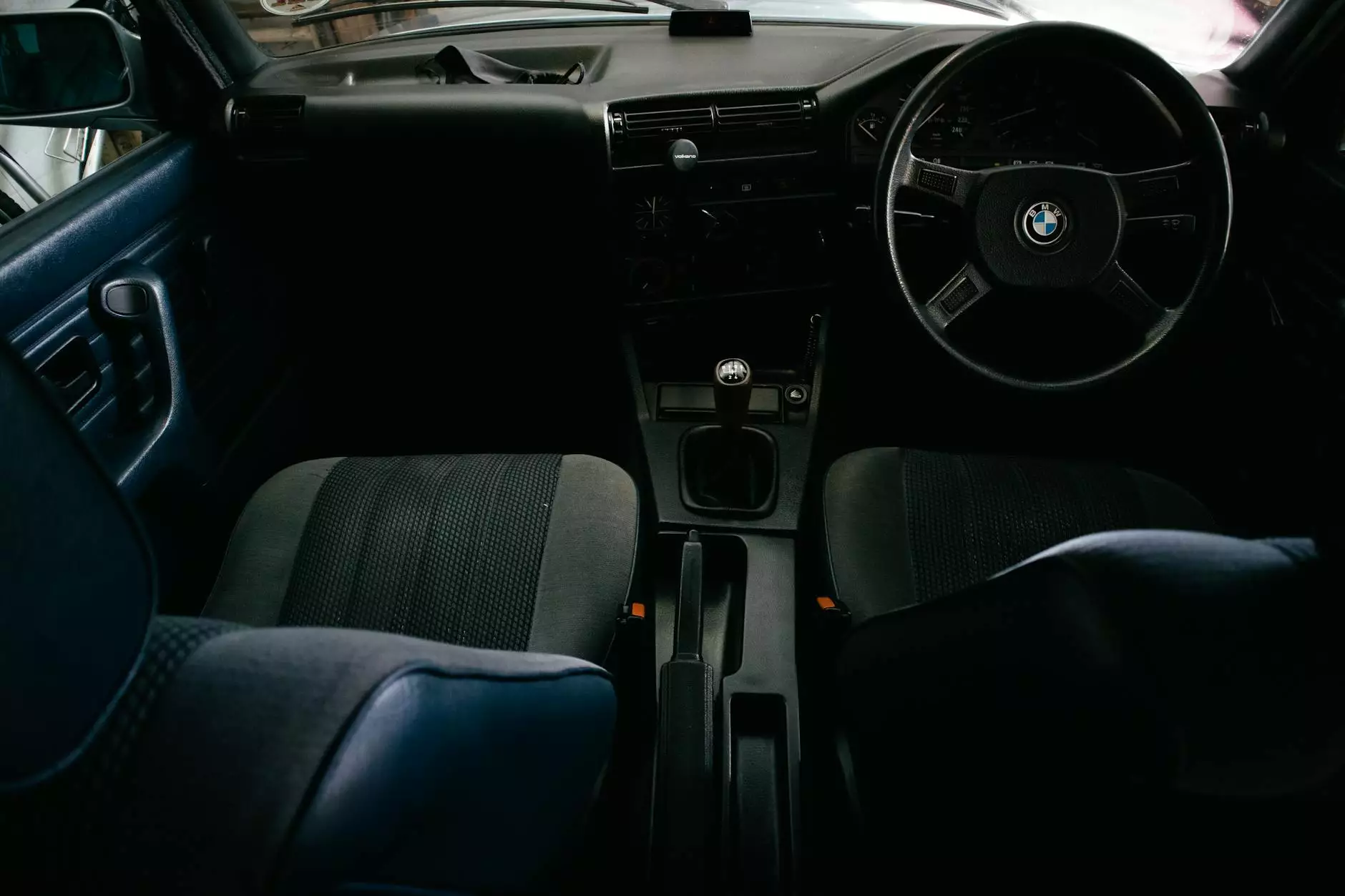
An automatic gearbox clutch is a critical components of modern vehicles, enabling smooth gear changes and enhancing overall performance. Whether you're a car enthusiast, a mechanic, or a casual driver, understanding the role and functionality of an automatic gearbox clutch is essential for maintaining your vehicle. In this comprehensive guide, we will delve deep into every facet of automatic gearbox clutches, their types, maintenance tips, problems, and innovations. This will not just empower you with knowledge but also ensure that your car runs efficiently. Let’s gear up and dive right in!
1. What is an Automatic Gearbox Clutch?
The automatic gearbox clutch is a device within an automatic transmission system that engages and disengages the engine from the transmission. This mechanism allows the vehicle to change gears without requiring the driver to manually operate the clutch pedal. Here's a breakdown of its critical functions:
- Engagement and Disengagement: The clutch engages the drivetrain, allowing the vehicle to move and disengages to allow for smooth gear transitions.
- Performance: Enhances vehicle performance by providing seamless acceleration and deceleration.
- Efficiency: Improves fuel efficiency by optimizing engine power and reducing unnecessary strain.
2. The Different Types of Automatic Gearbox Clutches
There are primarily two categories of automatic gearbox clutches that are widely used in vehicles:
2.1. Torque Converter Clutches
Torque converters use fluid dynamics to transmit power. The torque converter clutch (TCC) locks the engine and transmission together, significantly increasing efficiency during high-speed cruising. It's typically used in conjunction with the torque converter in automatic transmissions.
2.2. Dual-Clutch Transmission (DCT) Clutches
Dual-clutch transmissions utilize two separate clutches for odd and even gear sets, providing rapid gear changes that are significantly faster than traditional automatic gearboxes. They combine the convenience of an automatic transmission with the efficiency of a manual, resulting in a high-performance driving experience.
3. How Automatic Gearbox Clutches Work
Understanding how automatic gearbox clutches function is vital for any vehicle owner or aspiring mechanic. Here’s a simplified overview:
When you press the accelerator, the transmission control module (TCM) sends signals to engage the clutch. Hydraulic pressure forces the clutch plates together, allowing power from the engine to pass through the transmission. As speed increases, the computer system optimizes clutch engagement, ensuring smooth transitions between gears.
4. Importance of Automatic Gearbox Clutches
Why are automatic gearbox clutches so vital? There are several compelling reasons:
- Smooth Driving Experience: They facilitate seamless gear changes, providing a comfortable ride.
- Increased Vehicle Longevity: Properly maintained clutches reduce wear and tear on your transmission.
- Consumer Preferences: With the surge in automatic vehicles, these clutches cater to modern driver preferences for convenience and ease of driving.
5. Common Issues with Automatic Gearbox Clutches
Like any component in your vehicle, the automatic gearbox clutch is not immune to problems. Here are some common issues to look out for:
5.1. Slipping Clutch
A slipping clutch can cause poor acceleration and a noticeable increase in engine RPM without a corresponding increase in speed. This often indicates wear or insufficient hydraulic fluid.
5.2. Overheating
Overheating can lead to clutch failure. This is often due to driving habits or insufficient transmission fluid. It's essential to monitor your vehicle's temperature gauge and fluid levels.
5.3. Shifting Issues
Difficulty in shifting gears can denote a problem with the clutch. Faulty sensors, low fluid levels, or mechanical failure can affect the performance of the transmission.
6. Maintenance Tips for Automatic Gearbox Clutches
Regular maintenance can significantly extend the life of your automatic gearbox clutch. Here are essential tips for ensuring optimal performance:
- Regular Fluid Changes: Change your transmission fluid as recommended by your vehicle's manufacturer to avoid buildup and maintain hydraulic pressure.
- Keep an Eye on Temperatures: Monitor your vehicle’s temperature to avoid overheating. Installing a transmission cooler might be beneficial in high-performance applications.
- Professional Inspections: Periodically have your transmission and clutch system inspected by a qualified mechanic to catch issues early on.
7. Innovations in Automatic Gearbox Clutch Technology
The automotive industry is constantly evolving, and so are the technologies surrounding automatic gearbox clutches. Here are some exciting innovations:
7.1. Smart Clutch Systems
Modern vehicles are now equipped with smart clutch systems that use sensors and artificial intelligence to optimize shift points based on driving habits, enhancing fuel efficiency and performance.
7.2. Electrification
With the rise of electric vehicles, the integration of electric clutches has been a game changer, providing instantaneous response and improving overall vehicle dynamics.
8. Conclusion
To sum up, the automatic gearbox clutch is an engine component that plays a vital role in vehicle performance and driving comfort. By understanding its function, common problems, and maintenance requirements, vehicle owners can ensure their automatic transmission operates smoothly for years to come. Keeping abreast of innovative clutch technologies can also help car enthusiasts and owners make informed decisions in the rapidly evolving automotive landscape. For high-quality auto parts including top-notch automatic gearbox clutches, visit shenghaiautoparts.com.
© 2023 Shenghai Auto Parts. All rights reserved.