California Medical Advocacy Group / Journal
Understanding Air Freight Cost Calculation: A Comprehensive Guide
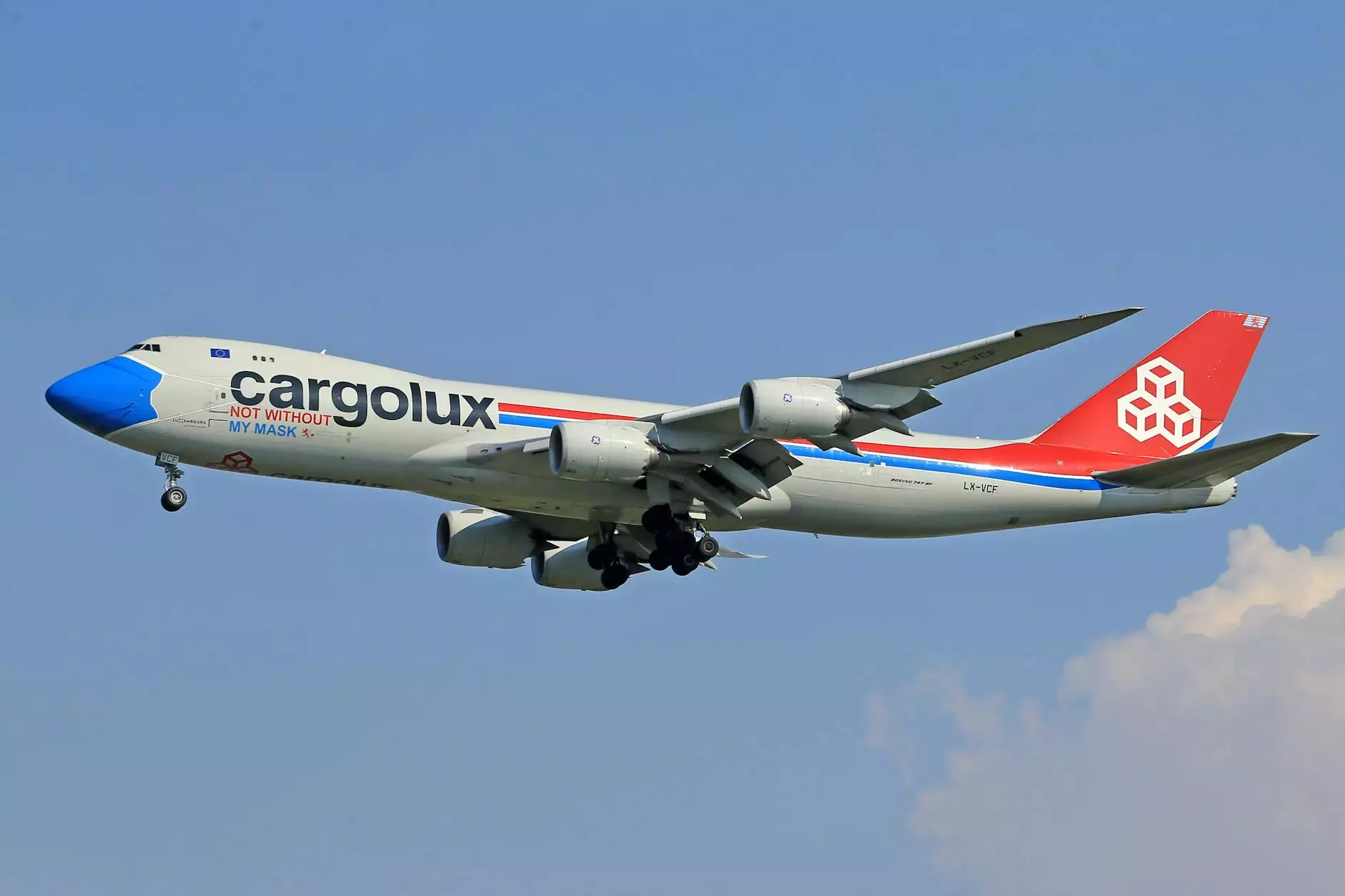
In the fast-paced world of logistics, businesses are constantly looking for the most efficient and cost-effective ways to move their goods. Air freight is a popular option for many companies due to its speed and reliability. However, understanding the intricacies of air freight cost calculation is key to optimizing shipping expenses and ensuring profitability. This article will explore the fundamental aspects of air freight costs, various influencing factors, effective calculation methods, and best practices for managing air freight efficiently.
The Importance of Air Freight in Modern Business
Air freight has become an integral part of the global supply chain, especially for businesses dealing with time-sensitive or high-value items. Here are some reasons why air freight is crucial:
- Speed: Air transport significantly reduces transit time compared to land or sea freight.
- Reliability: Airlines operate on strict schedules, which enhances predictability in supply chains.
- Access: Air cargo can reach remote and hard-to-access locations, facilitating international trade.
- Enhanced Security: High-value items tend to be better protected during air transport, reducing theft and damage risks.
Key Factors Influencing Air Freight Costs
When it comes to air freight cost calculation, several factors influence the overall cost of shipping goods via air. Understanding these factors will aid in obtaining accurate quotes and minimizing expenses.
1. Weight and Volume
Air freight pricing is primarily based on the weight or dimensional weight of the shipment. Here’s how it works:
- Actual Weight: This is the physical weight of your shipment. Airlines typically use a standard weight measurement.
- Dimensional Weight: This calculation considers the volume of space your package occupies in relation to its weight. If the dimensional weight exceeds the actual weight, the carrier will charge based on the higher measurement.
2. Distance and Route
The distance between the origin and destination airports significantly affects air freight costs. Longer routes may incur additional surcharges. Additionally, the choice of route plays a role; direct flights typically cost less than those with multiple stopovers.
3. Seasonality and Demand
Seasonal fluctuations in demand can lead to varying freight rates. For instance, during peak seasons like holidays, shipping costs may increase due to high demand. Planning shipments outside of peak times can reduce expenses.
4. Additional Shipping Fees
Air freight costs can include additional fees, such as:
- Fuel Surcharges: Variable costs related to fuel prices.
- Security Fees: Fees associated with the necessary security measures for air transport.
- Handling Charges: Costs related to the physical handling of goods at airports.
How to Calculate Air Freight Costs
To effectively manage your shipping costs, performing an accurate air freight cost calculation is essential. Here’s a step-by-step guide:
Step 1: Gather Shipment Details
Collect all relevant information, including the weight and dimensions of the cargo, origin and destination points, and any special handling requirements. This data is crucial for getting an accurate quote.
Step 2: Choose Between Actual and Dimensional Weight
Calculate both the actual weight and the dimensional weight using the formula:
Dimensional Weight (in lbs) = (Length x Width x Height) / 166
Select the higher of the two to determine the basis for charges.
Step 3: Get Rate Quotes
Contact several airlines or freight forwarders to obtain rate quotes. Make sure to provide them with all shipment details to ensure accurate pricing. Consider using online freight calculators available on websites like cargobooking.aero.
Step 4: Include Additional Costs
Factor in additional charges such as fuel surcharges, security fees, and handling fees to arrive at the total cost of air freight.
Step 5: Compare Overall Costs
Once you have compiled all costs, compare the total quotes from different service providers. This will help identify the most cost-effective air freight solution for your business needs.
Best Practices for Reducing Air Freight Costs
Optimizing your air freight expenditures involves implementing several best practices.
1. Pack Efficiently
Minimize dimensional weight by using packaging that is both lightweight and appropriately sized. This practice can significantly reduce costs. Consider the following:
- Use durable and lightweight materials.
- Avoid oversized boxes; fit items snugly.
2. Negotiate with Carriers
Establish relationships with multiple carriers and frequently negotiate rates. As your shipping volume increases, leverage your bargaining power for better deals.
3. Consider Consolidation
If feasible, consolidate multiple shipments into a single larger shipment. Shipping more goods at once may result in lower overall costs.
4. Stay Informed
Be aware of market trends, seasonal demand fluctuations, and fuel price changes. Staying informed will allow you to plan ahead and make smarter shipping decisions.
5. Use Technology
Utilize logistics management software to streamline the shipping process. Automation can help in tracking shipments, calculating costs accurately, and optimizing routes.
Conclusion
Understanding the intricacies of air freight cost calculation can empower businesses to make informed decisions, thereby enhancing efficiency and profitability. By considering the various factors influencing costs and adhering to best practices, companies can optimize their logistics operations effectively. With services offered at cargobooking.aero, businesses can access comprehensive solutions tailored to their air freight needs. As the global marketplace continues to evolve, mastering air freight is indispensable for staying competitive.