California Medical Advocacy Group / Journal
Understanding FTL Shipping Rates: A Comprehensive Guide
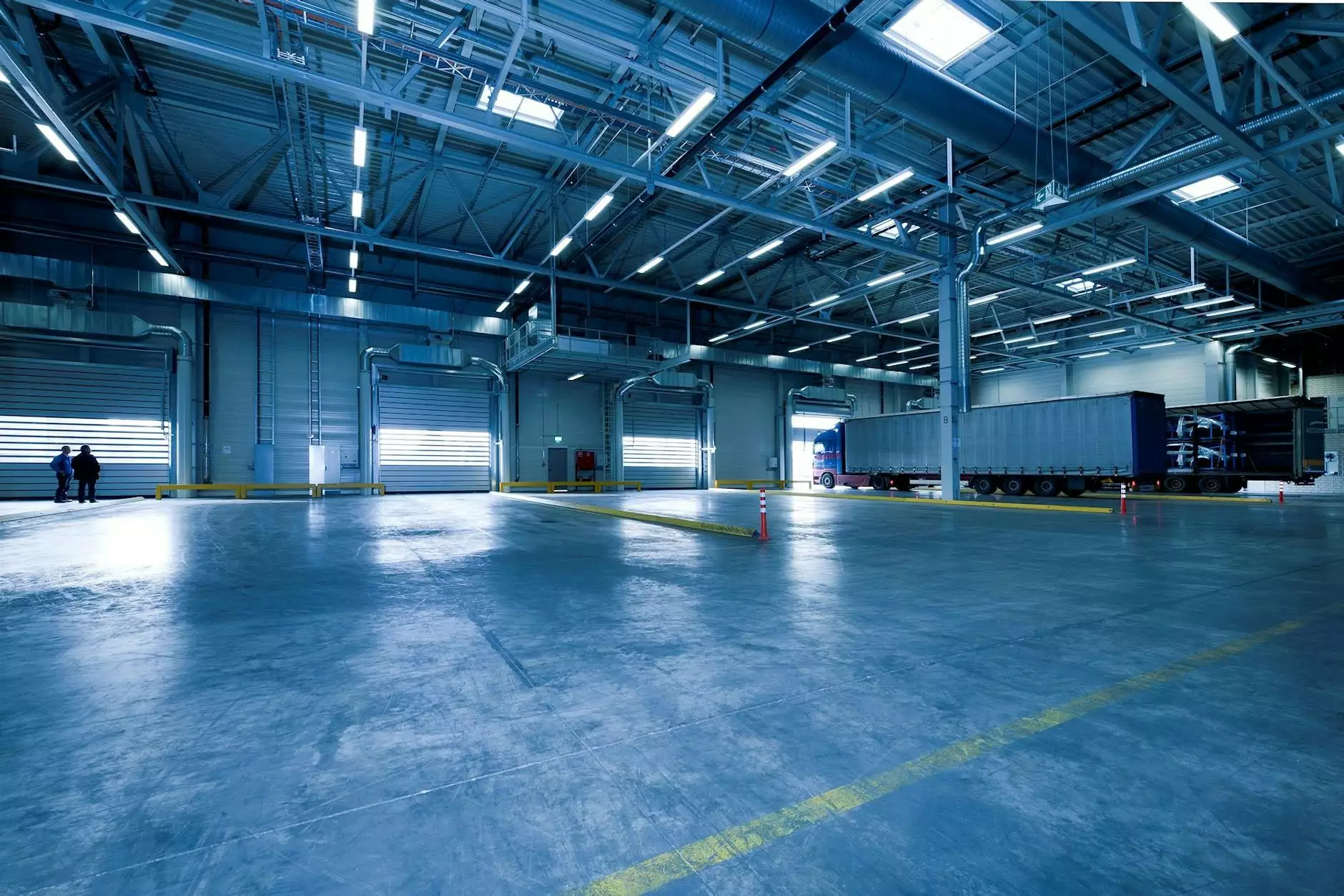
When it comes to logistics and transportation, understanding the cost structures involved is crucial for business success. One key aspect that plays a significant role in shipping costs is the FTL shipping rate (Full Truckload shipping rate). In this article, we will delve deep into what FTL shipping rates entail, their benefits, how they are determined, and what businesses can do to optimize their shipping strategies. This comprehensive guide aims to equip you with the knowledge to make informed decisions and improve your logistics operations.
What is FTL Shipping?
Full Truckload (FTL) shipping refers to a transportation method that is typically used when a shipper has enough cargo to fill an entire trailer. Unlike Less-than-Truckload (LTL) shipping, where goods from multiple shippers are combined into one truckload, FTL shipments involve transporting a single shipper's goods, which increases efficiency and reduces handling times.
Key Benefits of FTL Shipping
Choosing FTL shipping offers several advantages over other shipping methods:
- Faster Transit Times: Since the truck is dedicated to one shipper's cargo, it can move directly to the destination without unnecessary stops.
- Reduced Risk of Damage: With fewer handling points, there’s a lower chance of cargo damage compared to LTL shipments.
- Increased Efficiency: Full truckloads eliminate the need to consolidate shipments, leading to cost savings and streamlined operations.
- Predictable Costs: FTL shipping generally comes with a fixed rate, making budgeting easier for businesses.
Determining FTL Shipping Rates
The cost of FTL shipping isn't set in stone; it fluctuates based on several factors. Understanding how FTL shipping rates are determined can help businesses strategize more effectively:
- Distance: The length of the haul plays a significant role in the cost, with longer routes typically incurring higher charges.
- Weight and Volume: Trucking companies consider the total weight and dimensions of the cargo. Heavier and bulkier loads usually demand higher rates.
- Type of Freight: Different types of goods (e.g., perishables, hazardous materials) may require specialized equipment or handling, impacting the rate.
- Fuel Costs: Fluctuations in fuel prices directly affect shipping rates, as transportation relies heavily on fuel consumption.
- Market Demand: Increased demand for freight services can elevate rates, especially during peak seasons.
How to Optimize Your FTL Shipping Strategy
To ensure that your logistics operations are running smoothly and efficiently, here are several strategies to optimize your FTL shipping rates:
1. Plan Your Shipping Schedule Wisely
Many businesses experience fluctuating shipping needs. By planning your shipments during off-peak times, you can often negotiate better rates due to lower demand.
2. Consolidate Shipments
If possible, aim to combine multiple shipments into one full truckload. This not only maximizes your shipping volume but also optimizes costs per unit shipped.
3. Develop Relationships with Carriers
Consistency with one or more carriers can lead to better rates. Build strong relationships based on reliability and volume, as this can result in long-term discounts.
4. Utilize Freight Brokers
Engaging a freight broker can streamline your shipping process. Brokers often have established relationships with carriers and can help find competitive rates that may not be available to individual shippers.
5. Monitor and Analyze Shipping Data
Keep track of all shipping expenses and performance metrics. Regular analysis can help you identify trends and make data-driven decisions to enhance shipping efficiency.
The Future of FTL Shipping
As the logistics industry continues to evolve, several trends are emerging that could impact FTL shipping rates:
- Technological Advancements: The use of technology in tracking and managing shipments is rising. Tools like GPS tracking and blockchain can enhance transparency and efficiency.
- Environmental Considerations: With a growing emphasis on sustainable practices, FTL carriers are exploring eco-friendly options which may influence pricing structures.
- Impact of E-commerce: The rise of e-commerce is creating greater demand for dedicated freight services, which could increase the focus on FTL shipping.
- Regulatory Changes: New regulations concerning transportation and emissions may also affect costs and logistics strategies.
Conclusion
Understanding the nuances of FTL shipping rates is crucial for any business that relies on efficient logistics solutions. By leveraging the benefits of FTL shipping and implementing strategic optimizations, businesses can enhance their supply chain operations, cut costs, and improve overall service delivery.
Whether you're looking to simplify your shipping processes, gain insights into business consulting services, or explore options for vehicle shipping, knowing how to navigate FTL shipping rates will empower your business to succeed in an increasingly competitive landscape.
For more information and tailored solutions, consider reaching out to us at freightrate.com, where our expertise in logistics and shipping can help streamline your operations and reduce costs.